
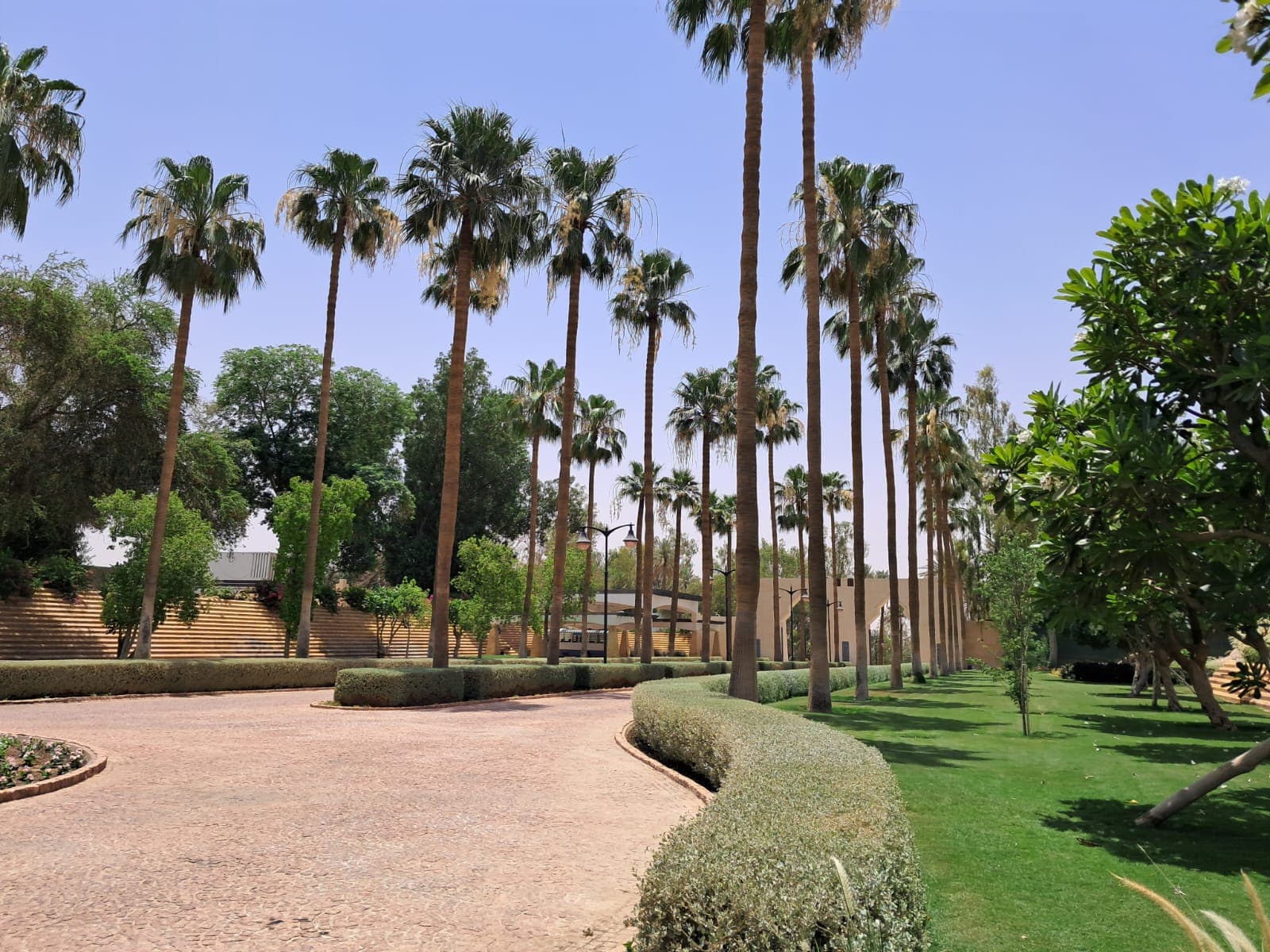
Date palms are among the Kingdom's most water-intensive crops. A mature grove can demand 20,000 cubic meters per hectare per year, depending on density, variety, and microclimate. With fossil groundwater levels declining and pumping lifts growing deeper, water economics now drive operational decisions more than ever.
Baseline economics on a typical 50 ha operation
| Line item | Baseline (per year) | Notes |
|---|---|---|
| Irrigation volume | 1,000,000 m³ | 50 ha × 20,000 m³/ha |
| Water cost (SAR 3.5/m³) | 3,500,000 SAR | Blended tariff + pumping |
| Date yield | ~10 t/ha × 50 ha = 500 t | Mixed variety average |
| Revenue (SAR 7,000/t) | 3,500,000 SAR | Farm-gate average |
Modeled impact with LNC
Applying the conservative midpoint of published LNC results for date palms (45% water reduction, 20% yield uplift, 5-year effect):
- Water saved: ~450,000 m³/year = ~1.6 SAR million/year in water cost
- Yield uplift: ~100 tonnes additional = ~700,000 SAR/year additional revenue
- Total annual benefit: ~2.3 SAR million
- LNC project cost (one-time for 5 years): ~900,000 SAR
- Payback: under 6 months; 5-year net: +10.5 SAR million
What drives variance
Water price is the single largest swing variable. Operations that draw from premium deep aquifers with significant pumping lift see dramatically higher water cost and correspondingly faster payback. Operations in soil types with already-decent water retention see smaller gains. The Discovery phase — soil profile, water chemistry, irrigation audit — is how we calibrate a real quote.
"The math only gets more compelling as water becomes scarcer. LNC is less a "should we" decision than a "when" decision for most Saudi date operations."