University of Arizona
Multi-year field trials in citrus groves demonstrating irrigation reduction and yield maintenance. Peer-reviewed research.

A patented suspension of natural clay, broken down to the nanoscale, that transforms sandy and degraded soils into structured, water-retaining substrates. Developed by Desert Control AS (Norway). Licensed exclusively for Saudi Arabia to SDC.
Developed: 2017 · Patent holder: Desert Control AS · Certifications: ECOCERT equivalent
LNC is a liquid formulation produced by mechanically separating natural clay minerals into sub-micron particles and stabilizing them in an aqueous suspension. Once delivered through the irrigation system wherever applicable, LNC infiltrates the root zone and coats sand grains with an ultra-thin clay layer.
Unlike traditional soil amendments — which require physical mixing, compact the soil, or break down within months — LNC works at the molecular interface of sand and water. The result is a soil with genuinely improved texture, hydraulic conductivity, and nutrient retention, without structural change or compaction.
A single application typically remains effective for up to 5 years.
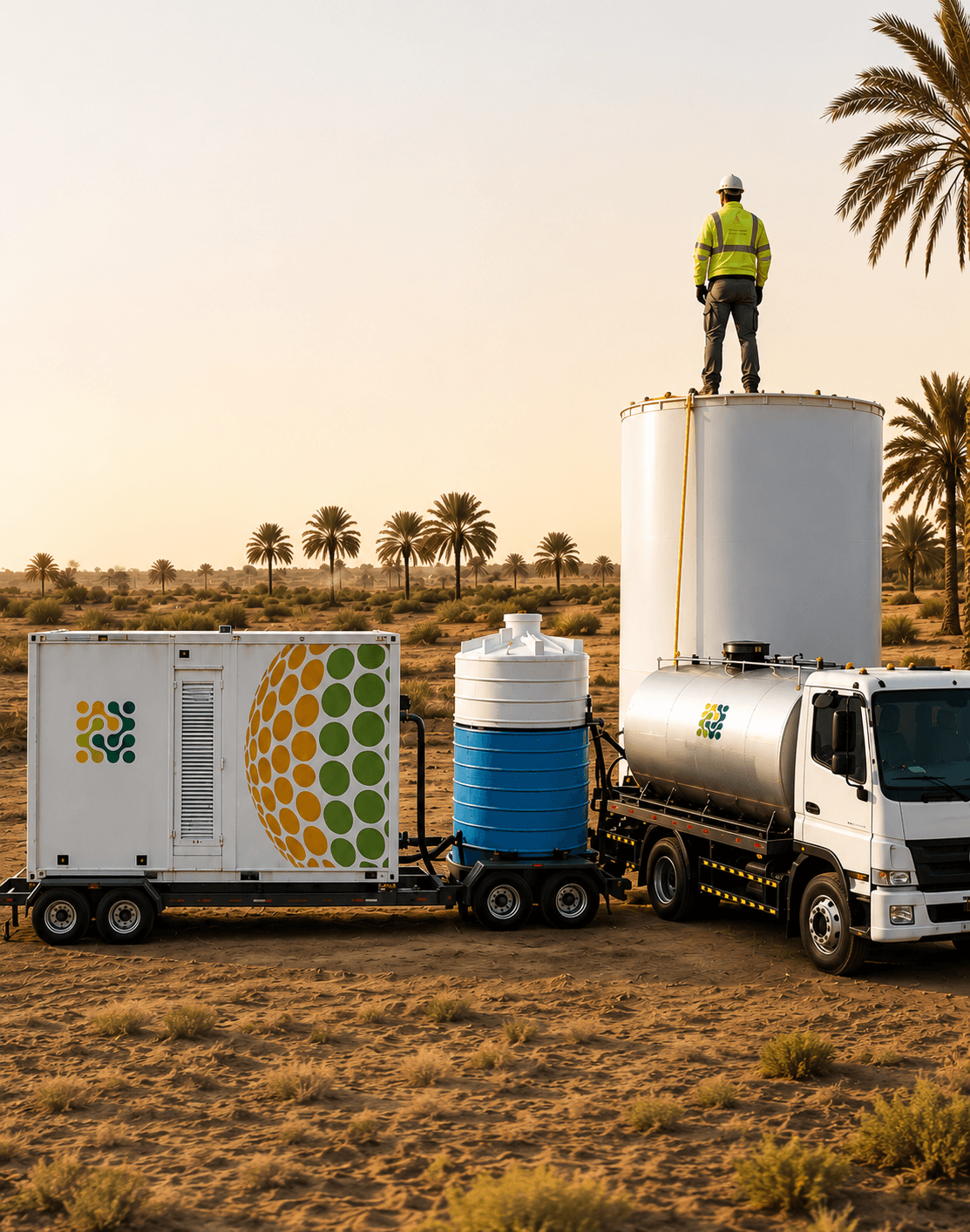
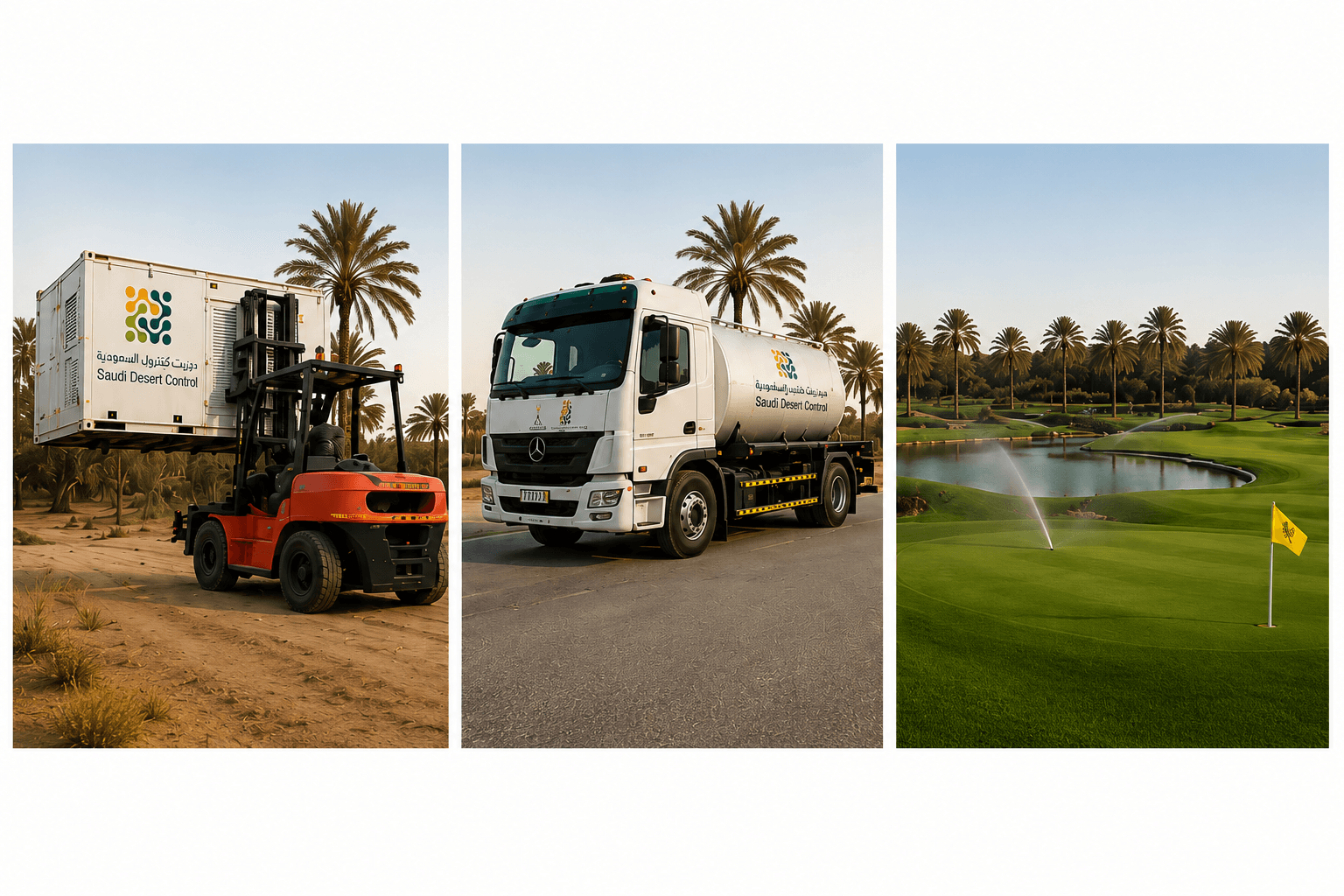
We gather and analyze soil and water data from your site to understand current conditions, constraints, and opportunities.
Our agronomists and chemists formulate a custom LNC blend tailored to your specific soil type and vegetation.
We apply LNC on-site through your existing irrigation infrastructure, coordinating with your operations team.
We track performance — water use, plant health, soil structure — and report back at regular intervals throughout the lifetime of the application.
Multi-year field trials in citrus groves demonstrating irrigation reduction and yield maintenance. Peer-reviewed research.
International Center for Biosaline Agriculture — trials on saline and arid-region soils validating LNC behavior under Gulf conditions.
Support for LNC research aimed at addressing food security in water-stressed regions.
Recognized as a Technology Pioneer for sustainable agriculture and water conservation.
Horizon Europe research funding for sustainable soil amendment technologies in Mediterranean contexts.
Ongoing partnership with the National Research & Development Center for Sustainable Agriculture, validating LNC on Saudi crops and soils.
LNC restores root-zone water and nutrient retention so plantings can establish — and stay established — under arid Saudi conditions. Drag the handle to reveal, or use keyboard arrows.
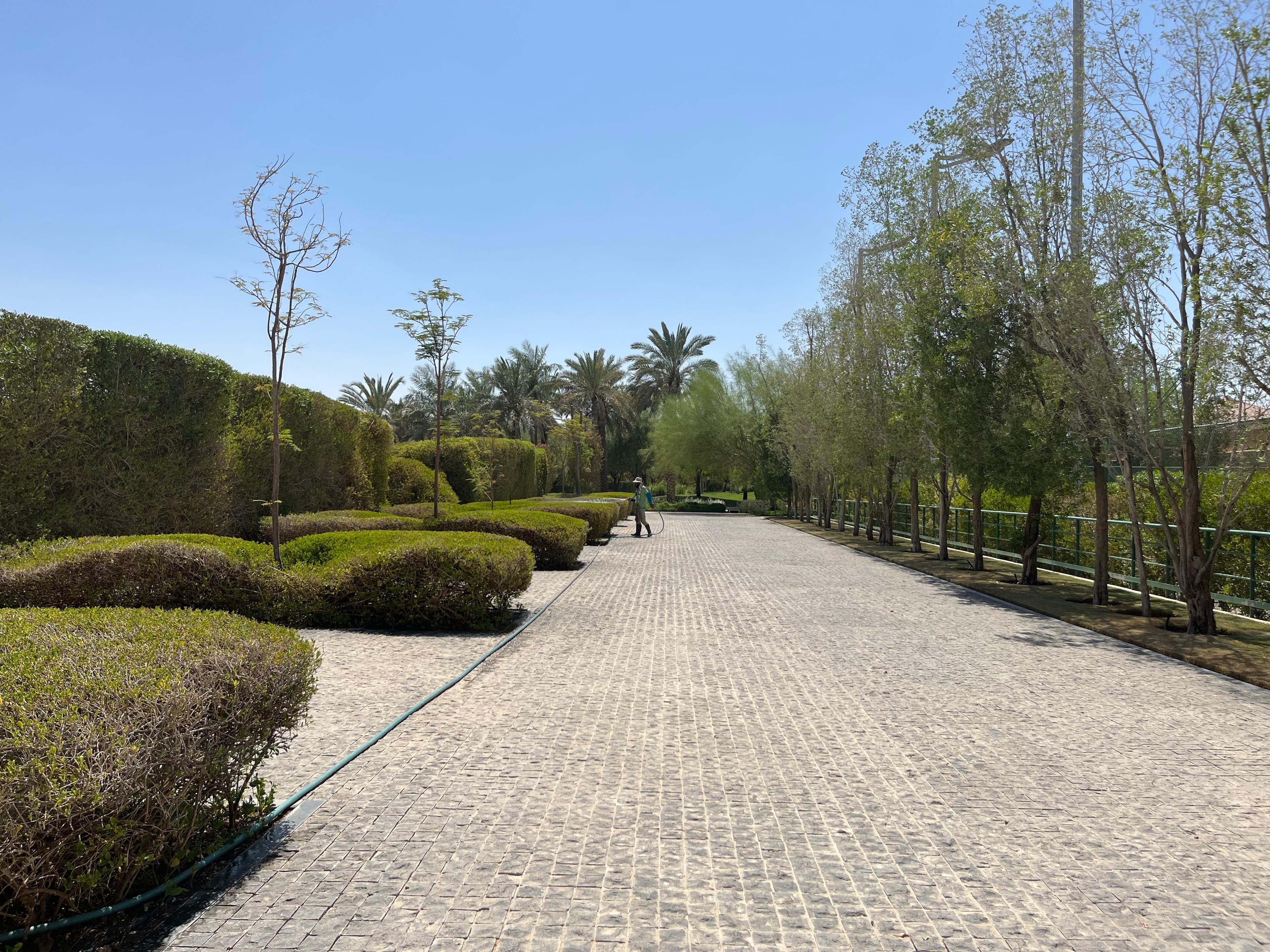 After · LNC
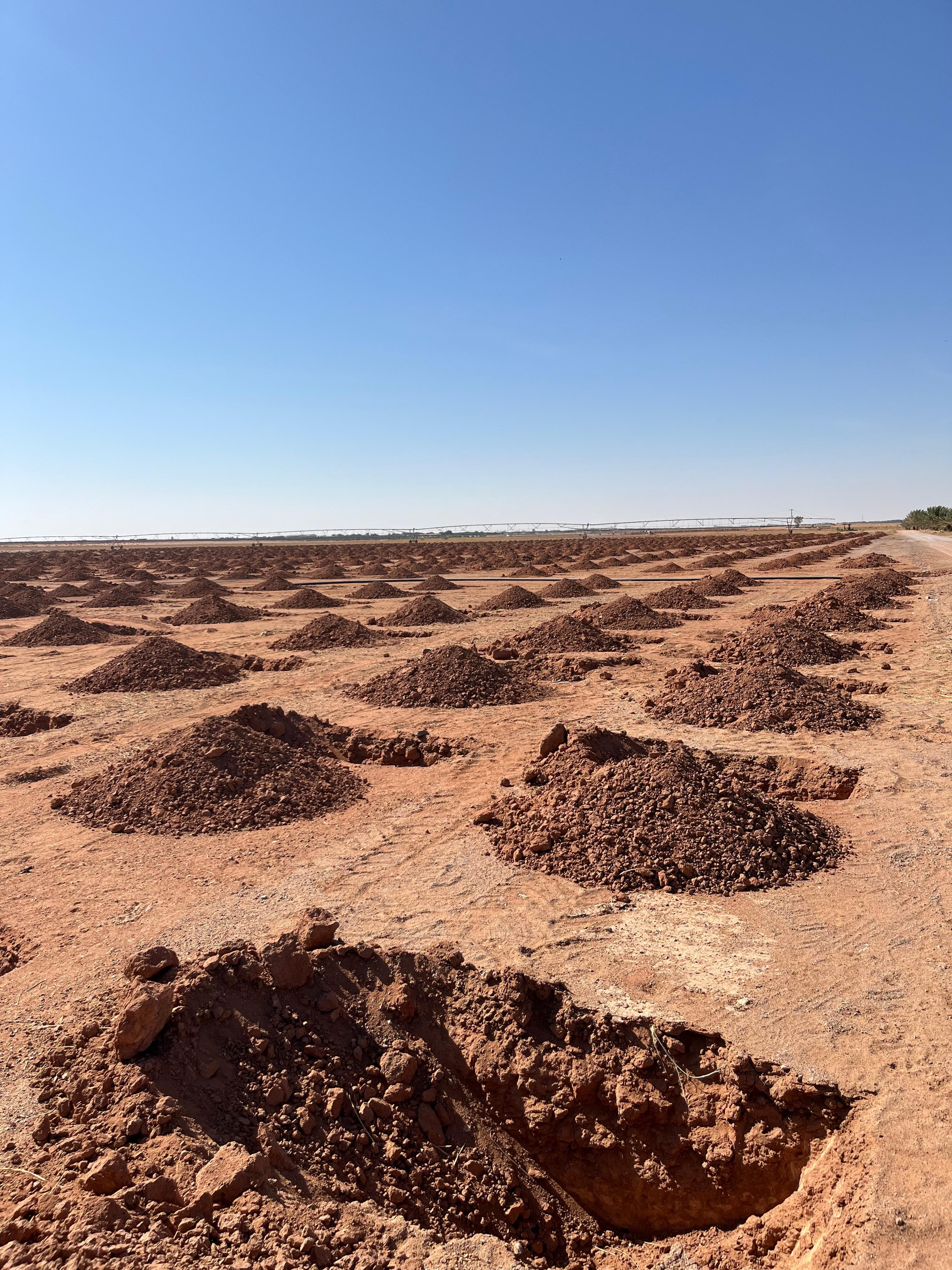 Before
Reference photos from SDC and Desert Control network projects. Site-specific before / after imagery is produced during Discovery and Monitoring on every engagement.
Download our technical brief with field data, peer-reviewed references, and application case studies.